Commercial Waste Sanderstead: Recycling and Sustainability
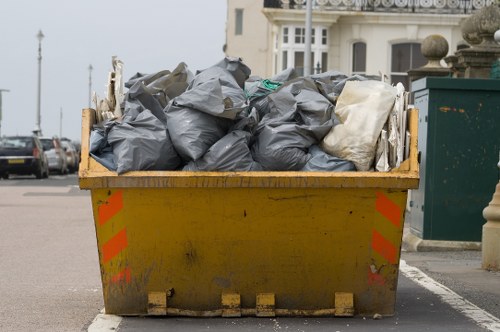 Commercial Waste Sanderstead is committed to building an eco-friendly waste disposal area and a practical, efficient sustainable rubbish area for local businesses. This page explains our targets, local transfer stations, partnerships with charities, and low-carbon vehicle plans that support the borough's approach to commercial waste in Sanderstead. We aim to create a neighbourhood where commercial recycling and resource recovery are routine, visible, and measurable, reducing landfill and improving circular economy outcomes across Croydon and adjacent wards.
Our recycling percentage target and measurement
We have set a clear recycling percentage target for Sanderstead commercial waste: a borough-aligned goal of 70% reuse and recycling of commercial materials by 2030. This target covers cardboard, paper, glass, metals, food waste, and approved construction and demolition materials. Progress is tracked through regular waste audits, tonnage reporting, and route-level monitoring. Achieving this percentage will depend on consistent segregation at source, investment in on-site containers, and collaboration with local transfer facilities to ensure high-quality recycling streams.
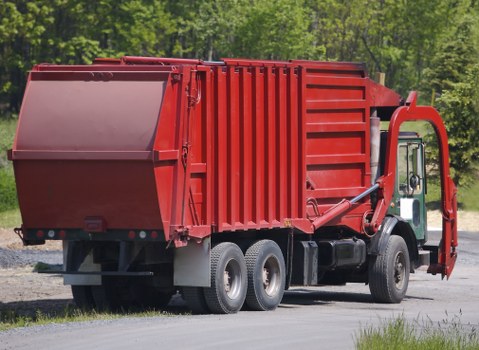 The sustainable rubbish area concept for businesses emphasizes segregation zones for mixed recycling, organics, secure confidential waste, and non-recyclable residuals. The borough's approach to waste separation encourages separate collection of food waste and mixed dry recycling, mirroring commercial collection schemes elsewhere in London. We promote simple, standardized bin labelling, staff training, and compact balers for cardboard to ensure that the material entering transfer stations is clean, dry, and market-ready.
Local transfer stations and infrastructure
Commercial collections for Sanderstead rely on a network of local transfer stations and household recycling centres in the wider borough. Our typical consolidation points include municipal transfer facilities and authorised private transfer stations that accept separated streams. Key types of transfer locations we use include:
- Croydon transfer facilities handling segregated dry recyclables and baled cardboard
- Local transfer centres that receive food waste for onward processing
- Dedicated reception points for bulky items and construction waste
These transfer stations are chosen for proximity, the capability to keep commercial streams separate, and links to accredited processors that provide traceable recycling outcomes. Optimising collection routes to these transfer hubs reduces vehicle miles and improves turnaround times for businesses seeking regular, reliable removal.
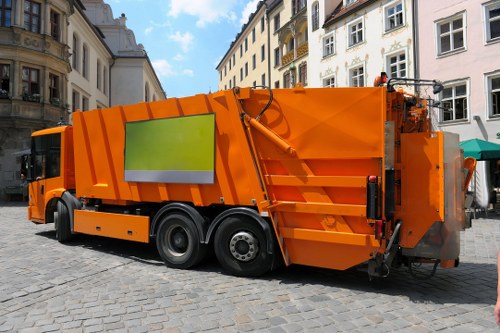 To support the borough-wide strategy, we collaborate with transfer partners that prioritise high-quality recycling processing and reuse pathways. That means glass crushed for remanufacture, cardboard baled and sent to mill markets, metal and e-waste channelled to specialist recyclers, and organic waste directed to anaerobic digestion or composting facilities. This integrated flow underpins our sustainable rubbish area design and enables measurable diversion from landfill.
Partnerships with charities and community reuse schemes are central to how commercial waste in Sanderstead becomes a resource. We coordinate regular diversion runs and donation collections with charities such as local furniture reuse groups, clothing reprocessors, and national networks that accept IT equipment for refurbishment. These partnerships reduce disposal costs, extend product lifecycles, and support local social value. Businesses can schedule bulk donation pickups or designate a drop-off slot at an agreed transfer partner site.
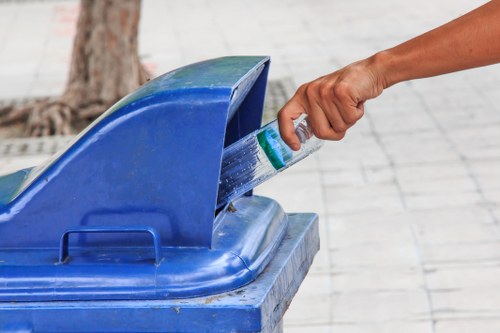 Our fleet strategy focuses on low-carbon vans and optimised logistics to lower emissions from commercial waste collection. A combination of electric vans for short urban routes, hybrid collection vehicles for medium-distance runs, and low-emission diesel alternatives where necessary ensures a pragmatic transition. Route planning software, driver training in eco-driving, and investment in rapid charging where feasible all contribute to a lower-carbon commercial waste service in Sanderstead and the surrounding borough.
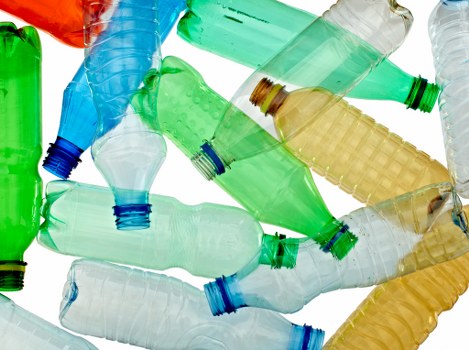 Operational practices for a sustainable rubbish area include in-yard segregation bays, secure lockable containers for sensitive waste, and scheduled audits to maintain material quality. We encourage businesses to adopt source separation for paper and card, glass, food organics, and mixed recycling, and to use labelled containers that align with the borough's recycling calendar. Training and visible metrics help staff feel ownership of their environmental performance, while clear tonnage reports demonstrate progress towards the 70% recycling target.
In summary, the pathway to an effective eco-friendly waste disposal area and resilient sustainable rubbish area in Sanderstead combines ambitious targets, strong transfer station links, charity partnerships that promote reuse, and a low-carbon vehicle fleet. Together these elements reduce the environmental footprint of commercial waste, support local circular economy activity, and meet regulatory expectations in the borough. By aligning business practices with local collection schemes and investing in quality separation at source, Sanderstead can become a model for sustainable commercial waste management across the borough.
