 Commercial Waste Sanderstead Health & Safety Policy
Our Commercial Waste Sanderstead health and safety policy sets out the commitment of the company to protect employees, subcontractors, customers and members of the public involved in commercial waste collection and rubbish services in the service area. This policy applies to all activities related to business waste removal, commercial rubbish collection and waste management for commercial clients and will be implemented through documented procedures, training and supervision.
 The aim of this policy is to minimise risks associated with operational tasks including vehicle operation, manual handling, waste segregation, and handling of potentially hazardous materials. It outlines responsibilities, risk assessment processes, control measures and monitoring procedures to ensure safe, compliant and reliable commercial waste disposal and rubbish collection services.
Responsibilities and Organisational Arrangements
The company director retains overall responsibility for health and safety. Managers and supervisors are responsible for day-to-day implementation, and all employees are required to follow safe systems of work. Supervisors will ensure crews are briefed on specific job hazards before tasks commence and that operational routes for commercial waste collection are risk assessed.
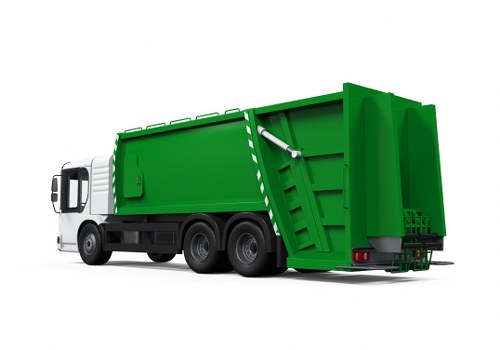 Employees engaged in commercial rubbish removal must report hazards, near misses and incidents promptly. The policy emphasises that safety is a shared responsibility: the organisation will provide necessary resources, and staff will adhere to instructions, wear required PPE and participate in training for safe waste handling and environmental protection.
Risk Assessment and Control Measures
All activities are subject to documented risk assessments which identify hazards, evaluate risks and define control measures. Typical assessments include vehicle loading/unloading, manual handling of sacks and containers, segregation of recyclables, and the handling of suspect hazardous waste. Controls include mechanical aids, team lifting, exclusion zones and clear segregation protocols for different types of commercial waste.
Key controls implemented for our rubbish collection operations include:
- Pre-shift vehicle checks and maintenance schedules to ensure roadworthiness and safe operation;
- Personal Protective Equipment (PPE) such as hi-vis, gloves and safety footwear, provided and enforced;
- Safe systems for loading to prevent falls, tipping and overloading of vehicles;
- Clear guidance on segregation to avoid cross-contamination and to manage hazardous components in commercial waste streams.
Training and competency form a core element of this policy. All operatives receive induction training that covers safe driving, vehicle loading techniques, manual handling, use of PPE, identification of hazardous items and emergency response procedures. Refresher training is scheduled regularly and before changes in process or equipment used in commercial waste services.
Routine supervision and spot checks are used to confirm competency and adherence to safe working practices. Where additional specialist waste handling is required (for example, controlled wastes or chemical containers), staff will only undertake these tasks after receiving appropriate, documented training in waste handling and relevant regulations.
The commercial rubbish service policy requires supervisors to maintain training records and ensure all teams are briefed on specific site constraints and client-specific hazards prior to new contracts commencing.
Emergency preparedness covers spill response, first aid, vehicle incidents and incidents involving hazardous materials. The company maintains first aid provision, spill kits, and clear procedures that are communicated to staff. Incident reporting and investigation procedures aim to identify root causes and to implement corrective actions to prevent recurrence in the waste management Sanderstead service area.
Health surveillance is provided where roles justify monitoring for occupational exposures. Policies on fatigue management and driver hours are enforced to reduce the risk of road traffic incidents during commercial waste collection rounds, and scheduling aims to eliminate unnecessary rushed operations.
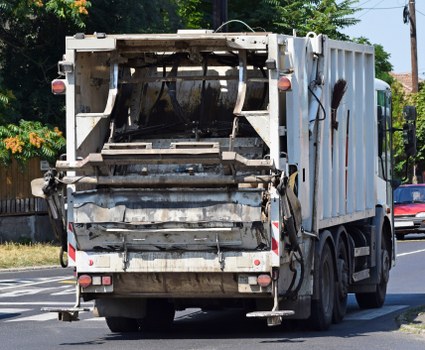 Equipment and vehicle safety measures include lock-out/tag-out for maintenance, secure load restraint, reversing alarms and cameras, and safe access platforms where required. Regular inspections and preventative maintenance reduce the likelihood of mechanical failure impacting safety.
 Monitoring, audit and continual improvement processes are in place to ensure the policy remains effective. Internal audits, toolbox talks, and performance metrics for safety provide management with evidence to review and update procedures. Any changes to law, technology or operational practice are considered in periodic policy reviews.
Contractors and third-party suppliers engaged to support commercial waste services are required to meet equivalent health and safety standards and to provide evidence of competency and insurance. The organisation reserves the right to suspend activities where unsafe practices are identified until corrective measures are implemented.
Review and communication: This policy is reviewed at least annually or when significant changes occur. It is communicated to all employees and made available during inductions so that everyone understands the expectations for safe conduct in delivering commercial waste and rubbish collection services. The company is committed to continuous improvement and to maintaining high standards of occupational health and safety in all aspects of commercial waste handling and disposal.
