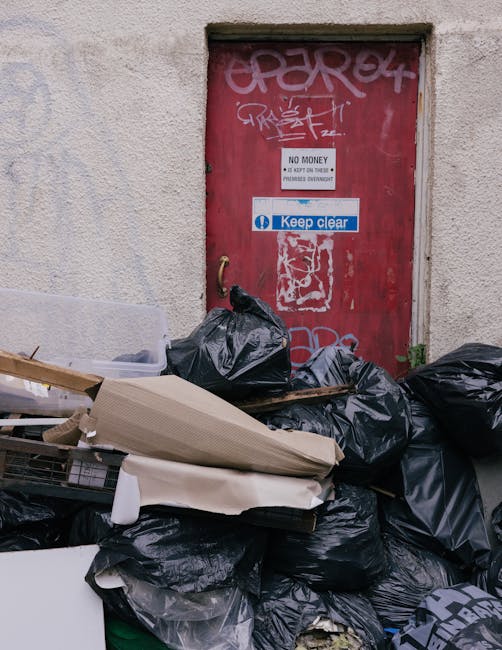
Local business rubbish contracts in Sanderstead for shops: a practical guide for shopkeepers
If you run a shop in Sanderstead, rubbish is not just a back-of-house nuisance. It affects how tidy your frontage looks, how quickly staff can work, how often you need collections, and whether you stay on top of compliance without turning the stockroom into a small disaster zone. Local business rubbish contracts in Sanderstead for shops are designed to make that side of the job predictable. No last-minute panic. No overflowing bins. Just a regular, manageable system that fits the rhythm of a retail business.
Truth be told, most shop owners do not need a complicated waste setup. They need something reliable, local, and flexible enough to handle everything from cardboard and packaging to broken fixtures, old displays, and the odd awkward item that has no business sitting behind the till. This guide walks through how these contracts work, who they suit, what to watch for, and how to choose a setup that actually helps your business rather than adding one more thing to think about.
Table of Contents
- Why local rubbish contracts matter for shops
- How the contract process works
- Key benefits and practical advantages
- Who this is for and when it makes sense
- Step-by-step guidance
- Expert tips for better results
- Common mistakes to avoid
- Tools, resources and recommendations
- Law, compliance, standards and best practice
- Options, methods and comparison table
- Case study or real-world example
- Practical checklist
- Conclusion
- Frequently asked questions
Why Local business rubbish contracts in Sanderstead for shops Matters
Shop waste builds up fast. A few days of delivery boxes, plastic wrap, damaged stock packaging, paper sacks, and broken shelving can make a back room feel cramped and disorganised before you know it. In a retail setting, that clutter has a knock-on effect. Staff spend longer moving things around, stock checking gets messier, and the customer-facing side of the business can start to suffer if waste starts creeping near the entrance or rear access point.
For many local shops, rubbish contracts matter because they create consistency. That is the real value. Instead of asking staff to guess when the bins will be emptied or who is meant to deal with a pile of flattened boxes, the business has a set arrangement that works with opening hours and delivery patterns. It sounds simple, but simple is often what keeps a shop running smoothly.
Sanderstead shops also tend to work within tight space constraints. Not every premises has a generous yard or a hidden service area. Some have to work around narrow access, shared rear alleys, or limited storage. A local rubbish contract can be built around those practical limits, which is far better than trying to force a one-size-fits-all setup into a shop that clearly needs something more tailored.
Expert summary: The best rubbish contract for a shop is not the biggest one or the cheapest one. It is the one that keeps waste moving at the right pace, avoids disruption, and gives staff one less thing to chase.
There is also a presentation issue. Customers notice when waste is handled well. They may not say anything, but they notice. A clean, well-kept frontage and tidy rear area quietly reinforce professionalism. And in retail, that matters more than people sometimes admit out loud.
How Local business rubbish contracts in Sanderstead for shops Works
At a basic level, a rubbish contract sets out what waste is collected, how often it is collected, and what service level the shop can expect. Some businesses need scheduled collections on fixed days. Others only need ad hoc support when there is a refurbishment, stock refresh, or seasonal build-up. The contract should reflect the actual rhythm of the shop, not some idealised version of it.
Most arrangements begin with a review of waste type and volume. A small independent gift shop, for example, may mostly generate light packaging and cardboard. A convenience store or off-licence may produce more mixed packaging, damaged stock, and heavier general waste. A boutique that changes displays regularly may also need one-off clearances for old stands, rails, shelving, or stockroom clutter. If you are handling office-style waste too, it can be worth looking at office clearance support alongside regular collection planning.
From there, the provider usually recommends a collection frequency and container or pickup method that fits the site. Some contracts are fixed and predictable. Others are more flexible, with additional callouts when the shop gets busier. Let's face it, retail is not always neat and tidy on a calendar. Christmas, bank holidays, sales, deliveries and refits all push waste volumes around.
In many cases, businesses also need a separate route for specific materials. Refrigeration units, damaged fridges, and certain appliances should not be treated like general shop rubbish, so if your premises uses chilled display equipment, appliance removal is a sensible complement to ordinary waste collection. The same goes for bulky upholstery or shop seating, which is better handled through a dedicated route such as sofa disposal when relevant.
The key thing to understand is that a rubbish contract should reduce friction. Staff should know where waste goes, what can be left out, what needs separation, and who to call if the load changes. If that does not happen, the contract is not doing its job.
Key Benefits and Practical Advantages
The first benefit is obvious: less mess. But the more valuable gains are operational. A reliable contract saves time, supports staff routines, and reduces the chance of waste piling up at the worst possible moment. On a busy Saturday morning, that kind of calm is worth a lot.
- Predictable collections: Helps you keep the shop floor and stockroom under control.
- Better space use: Reduces the need to keep temporary waste piles near customer areas.
- Improved staff efficiency: Staff can focus on the shop rather than improvising waste handling.
- Cleaner presentation: A tidier exterior and rear access area supports customer confidence.
- Safer working environment: Less clutter means fewer trips, blocked exits, and awkward lifts.
- More flexible handling of bulky items: Useful for refurbishments, seasonal changes, and stockroom clear-outs.
There is another advantage that often gets missed: a good contract can make recycling easier. Shops generate a surprising amount of recoverable material, especially cardboard and clean packaging. If your provider takes recycling seriously, it helps you stay organised and may reduce the amount of waste going into mixed streams. For businesses that care about that side of things, recycling and sustainability is worth reviewing early on.
For larger premises or mixed-use sites, you may also want support for specialist clearances. A shop with a storeroom full of old fixtures, broken counters, or left-behind commercial furniture can benefit from broader services such as furniture clearance. If you are replacing shelving or stripping out a unit, builders waste clearance can be especially useful during refit work.
And honestly, the peace of mind matters. Knowing there is a plan reduces decision fatigue. Shop management already has enough moving parts, from staffing and suppliers to cash flow and customer service. Rubbish should not be the thing that sends the day sideways.
Who This Is For and When It Makes Sense
Local business rubbish contracts in Sanderstead for shops make sense for any retail operation that produces waste on a regular basis and needs it dealt with without fuss. That includes small independent stores, convenience shops, florists, salons with retail space, newsagents, charity shops, delicatessens, and specialist retailers.
It is especially useful if your premises has one or more of these traits:
- limited storage space for waste
- regular delivery days with lots of packaging
- a small stockroom that fills quickly
- customer-facing frontage that must stay tidy
- seasonal stock changes or promotions
- bulky items that cannot simply go in a standard bin
If the shop runs on tight margins, the contract can still make sense because it avoids the hidden cost of staff time spent dealing with waste in an ad hoc way. It is amazing how quickly ten minutes here and fifteen minutes there turns into a proper chunk of the week.
It also makes sense during transitional periods. Maybe you are taking on a new lease, expanding product lines, or planning a layout change. In those situations, rubbish tends to spike. That is when many owners realise they need more than a basic bin arrangement. If the shop is moving into a larger clean-out stage, waste removal support can bridge the gap between routine collections and one-off clearances.
For a shop that is already running smoothly, the question is not "Do we need rubbish support?" but "Is the current arrangement actually helping?" If the answer is no, the contract may be overdue.
Step-by-Step Guidance
If you are thinking about setting up or improving a rubbish contract, here is the cleanest way to approach it. No drama. Just a sensible process.
- Map your waste types. List what your shop throws away in a normal week: cardboard, plastics, mixed waste, food packaging, damaged stock, old displays, and any special items.
- Estimate volume honestly. Do not guess low just to keep the plan cheap. Underestimating usually leads to overflow, which is more expensive in the long run.
- Check your space and access. Measure where waste will be stored and how easy it is to move it out. Narrow access matters more than people expect.
- Decide what should be recycled. Separate clean cardboard and similar materials where practical. It keeps the mixed waste stream cleaner.
- Choose a collection rhythm. Daily, weekly, fortnightly, or event-based. Match it to delivery days and customer footfall.
- Ask about bulky and specialist items. Fridges, appliances, old furniture, hazardous materials, and confidential waste need separate handling.
- Read the terms carefully. Look at notice periods, what happens if volumes change, and how missed collections are handled.
- Train staff briefly. Even a simple bin layout only works if people know what goes where. A five-minute briefing can save a month of confusion.
If paperwork or secure disposal is part of your operation, such as point-of-sale records or customer documents, then confidential shredding should sit alongside the contract. It is a small detail, but an important one.
A practical tip: photograph the waste area before you start. It sounds a bit ordinary, maybe even slightly dull, but it helps you compare what works after a month or two. You will notice the difference quicker than you think.
Expert Tips for Better Results
The best rubbish contracts are built around behaviour, not just bins. That means understanding how your team actually works day to day. Here are a few things that make a real difference.
- Keep cardboard flat and dry. Wet cardboard turns into heavy waste fast. Stack it in a dry spot if you can.
- Use one clearly marked waste point. Multiple random bins lead to confusion and contamination.
- Review waste after seasonal peaks. Christmas stock, sales events, and refurbishments often change the pattern.
- Separate bulky clear-out jobs from routine collections. It is usually more efficient and cleaner.
- Watch for contamination. One wrong item can spoil a recyclable load. Staff do not always mean to do it, of course.
- Keep the back-of-house route clear. Waste collections work better when they are not fighting against stacked stock or blocked doors.
Another good habit is to have a named person responsible for waste checks. Not because you need a big official role for it, but because shared responsibility can become nobody's responsibility. We have all seen that happen.
If your business keeps changing stock types, it may help to review other clearance options too. For example, a shop that also stores garden items or seasonal outdoor displays may occasionally need garden clearance. A retailer with domestic-style stock or second-hand pieces might benefit from furniture disposal rather than trying to force everything into one general service.
One more thing: think about timing. Early morning or end-of-day collections can reduce disruption, especially if your shop gets busy around the lunch rush or after school. Those little timing choices matter more than flashy promises.
Common Mistakes to Avoid
Some mistakes show up again and again. Usually they are not dramatic. They are just the sort of things that slowly create chaos.
- Choosing on price alone. Cheap contracts can become expensive if they do not fit your actual waste pattern.
- Underestimating seasonal spikes. A steady January is not much help if December turns into a storage problem.
- Ignoring access issues. If collections are awkward, people will start putting waste wherever it is easiest rather than where it should go.
- Mixing special waste with general waste. That can create compliance issues and practical headaches.
- Skipping staff guidance. Even the best system fails if no one knows the rules.
- Forgetting to review the contract. Shops change. Waste contracts should too.
There is also the classic mistake of assuming "rubbish is rubbish". It is not, really. A broken fridge, a pile of packaging, a damaged chair, and a bag of mixed waste are all handled differently. If you treat them all the same, things get messy very quickly.
And yes, someone always says they'll sort it tomorrow. Tomorrow has a funny habit of drifting into next week.
Tools, Resources and Recommendations
You do not need a big toolkit to manage shop waste better, but a few simple resources help enormously. The goal is clarity, not complexity.
- Waste log: A basic weekly record of what is being thrown away and how much space it takes up.
- Delivery schedule: Useful for matching waste peaks with collection days.
- Labelled bins or sacks: Helps staff separate cardboard, mixed waste, and special items.
- Site sketch or photo record: Handy for checking whether your storage area is efficient.
- Contract notes: Keep the collection terms, escalation contact, and special item rules in one place.
If your shop has broader clearance needs beyond day-to-day rubbish, it can help to understand the provider's wider range. A shop refit might require office clearance, a stockroom overhaul might involve house clearance-style general clearing logic adapted to business premises, and bulky displays may fall under furniture clearance. The exact service matters less than whether it solves the actual problem.
When reviewing options, also think about pricing clarity. A good provider should explain how quotes are built, what counts as extra volume, and whether special materials carry different handling rules. The page on pricing and quotes is a useful place to compare expectations before you commit.
Little systems make a big difference. A handwritten checklist near the back door can work just as well as fancy software, provided people actually use it. Sometimes the simple thing is the best thing. Funny, that.
Law, Compliance, Standards and Best Practice
For shop owners, waste handling is not just an operational issue. There are legal and best-practice considerations too, particularly around duty of care, safe storage, and the separation of certain types of waste. The exact requirements depend on the nature of the waste and how it is handled, so this is one area where careful wording matters.
At a practical level, businesses should make sure waste is collected by a provider that is appropriate for commercial use, that records and invoices are kept where needed, and that any special materials are dealt with correctly. If there are hazardous items, they must be separated and managed with extra care. The same applies to items that contain refrigerants, oils, chemicals, or other potentially risky components.
That is why it is worth reviewing services like hazardous waste disposal where relevant, and checking the provider's health and safety policy and insurance and safety information. Those pages are not just formalities. They help you understand whether the contractor treats risk properly or merely says the right words.
Best practice also means keeping collections tidy and traceable. Waste should not be left where it can obstruct customers, staff, or emergency exits. It should be stored securely enough to reduce mess, pest issues, and avoidable hazards. That is basic but important.
If your shop handles sensitive paperwork, customer records, or printed documents, confidential destruction needs to be part of the picture too. If your business model has environmental commitments, recycling separation should be documented and routine rather than occasional. And if the provider publishes clear company policies, that is usually a good sign they are used to working with businesses that need reliability more than sales talk.
Options, Methods and Comparison Table
There is no single perfect way to manage shop rubbish. The right option depends on volume, space, item type, and how predictable the waste stream is. Here is a simple comparison to help you think it through.
| Option | Best for | Strengths | Trade-offs |
|---|---|---|---|
| Scheduled rubbish contract | Shops with steady waste volumes | Predictable, easy to manage, good for routine operations | May need adjusting during busy periods |
| Ad hoc clearance | Occasional clear-outs or seasonal spikes | Flexible, useful for one-off needs | Less predictable if used as the only system |
| Mixed approach | Shops with regular waste plus periodic bulky items | Balanced, practical, adaptable | Needs a bit more planning |
| Specialist item disposal | Fridges, appliances, furniture, confidential waste | Safer and more appropriate for specific materials | Requires separate booking or coordination |
In many shops, the mixed approach is the most sensible. Routine collections handle the everyday stuff, while specialist or one-off services deal with the odd bigger job. That way you avoid paying for a large service all the time when you only need it occasionally.
If you are dealing with a retail fit-out or a back-office refresh, it can be useful to combine routine collection with broader clearances such as builders waste clearance. If bulky waste is likely to recur, keep a note of the item types so you are not reinventing the wheel next time.
Case Study or Real-World Example
Imagine a small shop in Sanderstead with a compact sales floor, a modest stockroom, and regular deliveries three times a week. At first, the owner relies on a couple of bins and a "we'll sort it later" approach. It works for a while. Then the festive season arrives, boxes begin stacking up, and the rear corridor gets tighter by the day. Staff start moving things twice, and one box ends up in the wrong place because there is nowhere obvious left for it.
After reviewing the pattern, the owner switches to a proper rubbish contract. Cardboard is separated and collected more regularly. Mixed waste is dealt with on a planned schedule. Old display units are removed as a one-off clearance instead of being left to sit in the stockroom. A fridge that was no longer working is handled separately through the right disposal route. Within a few weeks, the back area feels calmer, the team spends less time shifting waste around, and the shop looks more organised from the outside.
Nothing magical happened. Just a better system. But that is often enough.
The real lesson is that waste management works best when it follows the business's rhythm instead of fighting it. If the shop changes with the seasons, the contract should be flexible enough to change too.
Practical Checklist
Use this checklist before you agree or review a rubbish contract for your shop:
- Have you listed all the waste your shop produces?
- Do you know which items are general waste and which need separate handling?
- Is there enough space for waste storage without blocking staff or customers?
- Have you matched collections to your busiest days?
- Do staff know what goes where?
- Have you planned for seasonal spikes and promotions?
- Are bulky items, appliances, or furniture covered somewhere in the plan?
- Have you reviewed pricing, notice periods, and extra charges?
- Do you know who to contact if the schedule changes?
- Have you checked the provider's safety, insurance, and recycling approach?
If you can tick most of those boxes, you are in good shape. If not, do not worry. Most shops improve waste systems in stages, not all at once.
Conclusion
Local business rubbish contracts in Sanderstead for shops are really about control, clarity, and keeping your business looking and working the way it should. They help you stay on top of everyday waste, manage awkward items properly, and avoid the slow creep of clutter that can make a small shop feel even smaller.
The best setup is usually the one that matches your space, your waste pattern, and your trading rhythm. Keep it simple where you can. Add specialist support where you need it. Review it when the business changes. That approach tends to work beautifully, even if the day-to-day is a bit noisy and messy.
Get a free quote today and see how much you can save.
And if you are still deciding, start with the practical question: what would make tomorrow morning easier for your team? That is usually where the right answer begins.
Frequently Asked Questions
What are local business rubbish contracts in Sanderstead for shops?
They are collection arrangements designed for retail premises that produce waste regularly and need a predictable, local service. The contract should cover frequency, waste type, access, and any special items your shop generates.
How do I know if my shop needs a rubbish contract rather than ad hoc collections?
If waste is building up each week, staff are spending time managing it, or the shop has limited storage space, a contract usually makes more sense. Ad hoc clearances are better for occasional jobs, not routine retail waste.
Can a small independent shop benefit from this kind of service?
Yes, absolutely. Small shops often benefit the most because space is tight and waste can get in the way quickly. A simple, reliable contract can remove a lot of day-to-day friction.
What types of waste do shops usually produce?
Common examples include cardboard, packaging, mixed general waste, damaged stock, old signage, broken displays, and sometimes appliances or furniture. The exact mix depends on the kind of shop.
Should recyclable waste be separated from general rubbish?
Where practical, yes. Clean cardboard and similar materials are easier to handle separately, and it usually keeps the overall waste stream tidier. It also helps with better waste management habits across the shop.
What should I ask before signing a rubbish contract?
Ask what is collected, how often it is collected, what happens if volumes change, how special items are handled, and whether the provider is clear about safety, insurance, and terms. Simple questions, but very useful ones.
Are fridges or appliances covered by a standard shop rubbish contract?
Usually not as standard mixed waste. They normally need separate handling, especially if they contain components that require careful disposal. If your shop uses chilled equipment, plan for that in advance.
How often should shop waste be collected?
That depends on volume, space, and trading patterns. Some shops need daily support, while others manage well with weekly or mixed arrangements. The right answer is the one that keeps waste under control without overpaying for unnecessary collections.
What are the most common mistakes shop owners make with waste contracts?
The biggest mistakes are choosing on price alone, underestimating waste volume, ignoring access problems, and not training staff. Those issues tend to create avoidable mess very quickly.
Can a rubbish contract help during a shop refit or stockroom clear-out?
Yes. In fact, that is when many businesses notice the need for better support. During refits or major clear-outs, you may also need dedicated clearance services for bulky items, fixtures, or building-related waste.
How do I keep waste handling compliant and sensible?
Use a proper commercial service, separate special or hazardous items, keep records where needed, and make sure staff understand the basics. If something seems borderline, it is better to ask than to guess.
What if my shop's waste changes during busy seasons?
That is normal. Seasonal peaks happen. The best contracts allow flexibility so you can adjust collections or add one-off clearances without starting from scratch each time.
Is it worth reviewing a contract even if the current setup is "fine"?
Yes, because "fine" can hide inefficiencies. A quick review may reveal that you are paying for too much, not enough, or simply the wrong kind of support. A small adjustment can make a surprising difference.